Use Cardboard Boxes for Fruit and Vegetables for Fresh Produce Storage
Boost Sales With Custom Produce Boxes: Attract Clients With Distinctive Designs
In a tough market, businesses increasingly acknowledge the importance of bespoke packaging boxes. Unique designs not only grab notice but also enhance brand recognition. By employing vibrant colors and innovative graphics, firms can connect with consumers on an emotional level. This deliberate strategy can lead to higher sales motivation and brand loyalty. However, the effectiveness of these designs can vary notably. What considerations truly influence the impact of tailored boxes on sales?
Custom Fruit and Vegetable Boxes: Why They're Vital for Your Enterprise
Custom produce boxes are vital for companies looking to improve their brand identity and client satisfaction. These boxes serve as a physical representation of a firm's identity, helping to differentiate products in a competitive market. By incorporating unique designs and colors, companies can grab focus and create a lasting impression.
Additionally, tailored boxes provide functional benefits, making certain that produce remains fresh and secure during transportation. Tailoring the dimensions and structure to specific products helps reduce surplus and enhance storage. Moreover, quality packaging can communicate important information, like care directions and nutrition information, fostering consumer confidence and delight.
The aesthetic appeal of custom produce boxes can also drive repeat purchases, as customers often associate attractive packaging with quality. Ultimately, investing in custom packaging not only upholds brand image but also enriches the overall shopping experience, making it a important aspect of business strategy in the competitive produce market.
Selecting the Appropriate Materials for Your Produce Boxes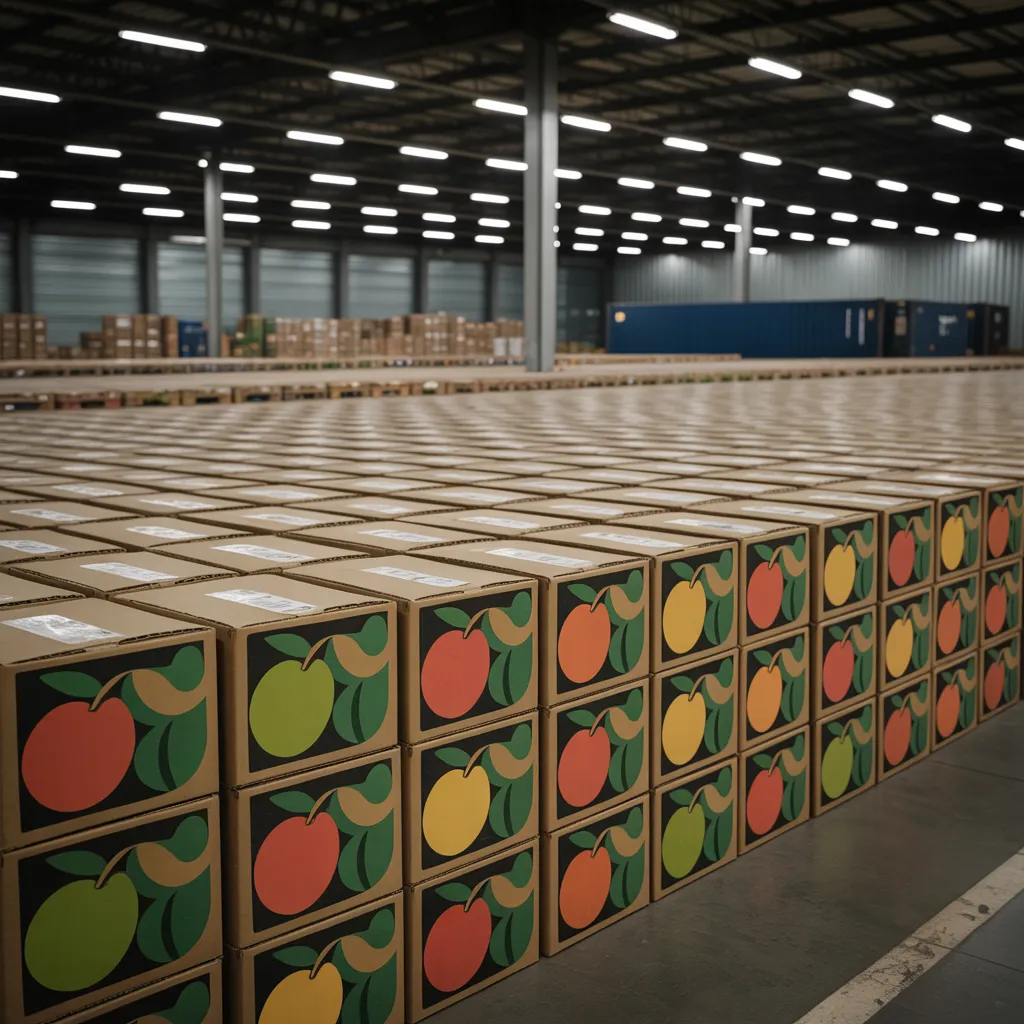
Picking the right materials for produce boxes is important for ensuring goods quality and eco-friendliness. Strong materials like corrugated cardboard are preferred selections due to their durability and lightweight properties, which help preserve fresh produce during delivery. Additionally, biodegradable options such as recycled paper or plant-based plastics appeal to sustainability-minded consumers, boosting brand image.
The choice of substances can also affect the box's thermal properties, critical for preserving ideal temperature and freshness. Air circulation is an additional element; vented boxes can help reducing moisture accumulation, avoiding spoilage.
Furthermore, the printing capabilities of various materials should be considered, as custom designs can attract customers. Ultimately, a balance between practicality, environmental responsibility, and visual attractiveness will determine the success of produce boxes in gaining consumer interest. By carefully selecting materials, businesses can ensure their products remain fresh while aligning with sustainable approaches.
Best Design Pointers for Building Captivating Produce Boxes
Throughout the expanse of individualized packaging for vegetables, grasping hue psychology can substantially strengthen visual appeal and consumer engagement. Likewise, employing innovative typography techniques can clearly communicate corporate identity and product information. Taken together, these parts develop a impressive container that draws eyes and boosts profitability.
Color Psychology Foundations
Color psychology serves as an crucial role in designing visually striking produce boxes that effectively draw in consumers. Different colors evoke particular emotions and associations, influencing purchasing decisions. For instance, bright red and yellow hues can stimulate appetite and draw attention, making them perfect for fresh produce. Green, often associated with health and nature, reinforces the natural qualities of fruits and vegetables. Conversely, blues and purples can convey trust and quality, appealing to more discerning shoppers. Adding contrasting colors can improve visibility, guaranteeing the boxes become noticeable on shelves. Additionally, recognizing cultural perceptions of color is vital, as meanings can differ widely. By thoughtfully selecting colors, brands can develop engaging packaging that resonates with consumers and increases sales.
Pioneering Typography Applications
Effective font selection significantly elevates the visual appeal of produce boxes, complementing the intentional use of color. By choosing fonts that capture the brand's personality, designers can create a distinctive identity. For example, playful, rounded typefaces may attract a younger audience, while elegant serif fonts can appeal to a more sophisticated demographic. In addition, varying font sizes and weights help establish a hierarchy, guiding customers' eyes to important information. Adding custom lettering or hand-drawn elements introduces uniqueness, making the packaging stand out. Employing negative space effectively allows typography to breathe, enhancing legibility and overall design. Lastly, ensuring text contrasts well with background colors guarantees readability, thereby improving the product's marketability and attracting potential buyers.
Why Do Original Concepts Grab Customer Attention?
How can distinctive designs effectively draw customers in? Distinctive designs capture customer focus by creating a distinct read about this visual identity that distinguishes itself in a saturated market. When produce boxes feature visually striking imagery, bold colors, or creative forms, they spark interest and invite potential buyers to discover further. This visual appeal not only enhances the visual worth but also communicates the brand's personality and principles.
Additionally, singular designs awaken emotions, rendering the products appear more relatable and appealing. Clients regularly pair pleasing wrappings with merit and crispness, which may influence their spending decisions. Plus, striking designs are more probable to be passed around on web platforms, raising brand awareness and welcoming new customers. Ultimately, the force of distinctive patterns relies on their competence to initiate an swift relation, changing matter not only merchandise, but engaging histories prepared to be unearthed.
Methods for Telling Your Company Story Via Custom Produce Boxes
Crafting a compelling narrative through personalized fruit packaging enables companies to engage with consumers on a more profound level. Each box functions as a canvas for storytelling, highlighting the company's principles, mission, and commitment to quality. Color selections, visual elements, and typeface design can reflect the company's character, generating an emotional resonance with consumers.
Incorporating sustainable materials can emphasize a brand's commitment to environmental responsibility, appealing to eco-conscious consumers. Additionally, including narratives about local sourcing or farming practices can foster a sense of belonging of community and authenticity.
Interactive aspects, such as QR codes, can amplify customer engagement by connecting customers to videos or content that illuminates the brand's story. By incorporating these design strategies, businesses can persuasively communicate their unique identity and nurture lasting bonds with consumers, ultimately fortifying customer loyalty and expanding revenue.
Case Studies: High-achieving Brands Deploying Custom Produce Boxes
Many businesses have effectively used custom produce boxes to improve their market position through creative packaging solutions. By utilizing design elements that communicate their distinctive company narratives, these companies have developed unforgettable customer interactions. This section will explore specific case studies that demonstrate the impact of these approaches on brand identity and customer engagement.
Creative Packaging Techniques
As consumer preferences evolve towards sustainability and convenience, companies are progressively implementing innovative packaging strategies to boost their competitive standing. One notable example is a produce delivery service that employs biodegradable custom produce boxes, successfully attracting eco-aware shoppers. Their boxes not only maintains quality but also communicates a commitment to sustainability. Another brand has incorporated QR codes on their boxes, enabling consumers to obtain recipes and nutrition information, thereby enhancing customer engagement. Additionally, a local organic farm has introduced reusable boxes, incentivizing consumers to bring them back for savings, building customer retention while reducing environmental impact. These strategies highlight how strategic packaging design can boost revenue and strengthen customer relationships in a competitive market.
Product Story Development Using Visual Language
Custom produce boxes work as a powerful medium for brands to communicate their unique narratives through deliberate aesthetics. Successful brands like Farm Fresh and GreenLeaf Organics have implemented custom packaging to reflect their focus on sustainability and local sourcing. Farm Fresh's boxes present vibrant illustrations of local farms, building a connection with community and agriculture. In contrast, GreenLeaf Organics underscores eco-friendliness with minimalist designs and recycled materials, appealing to environmentally conscious consumers. These design choices not only capture attention but also support the brand's principles and goals. By integrating storytelling elements into packaging, these companies actively involve customers, creating lasting impressions that build brand affinity and grow earnings. Custom produce boxes, consequently, emerge as vital resources in modern marketing strategies.
Evaluating Custom Produce Boxes Influence on Sales
While several factors affect sales performance, the introduction of personalized fruit and vegetable packaging has surfaced as a significant catalyst for many businesses. These boxes not only enhance visibility of products but also establish an emotional connection with customers, often leading to increased purchase intent. Metrics such as sales volume, customer retention rates, and share of the market can be employed to evaluate the effect of custom designs.
Businesses frequently conduct A/B testing, comparing traditional packaging with custom designs to measure differences in sales. Surveys and customer feedback also deliver insights into consumer preferences, revealing how packaging influences buying decisions. Additionally, tracking online engagement through social media and website analytics can provide a clearer picture of how custom produce boxes resonate with target audiences.
Ultimately, gauging the effect of custom produce boxes requires a multifaceted method that combines quantitative and qualitative data, allowing companies to optimize their tactics for maximum effectiveness.
Frequently Requested Questions
What Approach Should I Use to Pick the Proper Box Size for My Produce?
To determine the correct box size for produce, one should measure the dimensions of the items, weigh their weight, and account for airflow. Proper sizing ensures product protection and excellent presentation for customers.
Can I Purchase Custom Produce Boxes in Small Quantities?
Yes, numerous suppliers extend the option to order custom produce boxes in small quantities. This flexibility meets the needs of businesses with variable requirements, facilitating them to explore different layouts or control inventory without agreeing to extensive purchases.
How Long Is the Standard Turnaround Time for Personalized Box Orders?
A typical delivery timeframe for bespoke box orders fluctuates, generally extending from two to four weeks. Variables such as design complexity, amount, and production resources can impact the specific timespan of the workflow.
Do eco-friendly solutions exist for tailored produce boxes?
Yes, there are green alternatives for custom produce boxes. Many manufacturers provide recycled, biodegradable materials and eco-responsible approaches, enabling businesses to reduce their environmental impact while maintaining quality and aesthetics in their packaging solutions.
What Ways Can I Utilize to Add My Logo Into the Box Design?
Integrating a logo into container design can be completed via multiple approaches, like printing directly on the box, embossing, or affixing label stickers. Intentional positioning boosts brand awareness while retaining an aesthetically pleasing appearance.